


A breif guide to filtered Water Bottles.
Filtered water bottles are everywhere. But what does it mean to have a filtered water bottle? And what makes a Water-to-Go Bottle different from the rest?
Most “Filter” Bottles Don’t Actually Filter, They Just Improve Taste
Many low-cost filtered bottles use activated carbon only. This is the same basic technology found in jug filters at home.
Activated carbon works through adsorption, a process where certain chemicals like chlorine or pesticides cling to the surface of the carbon. It helps make water taste fresher and removes odor, but that’s where its usefulness ends.
Activated carbon does NOT remove:
Bacteria (e.g. E. coli)
Viruses (e.g.Hepatitis A, Norovirus)
Protozoa (Giardia, Cryptosporidium)
Microplastics
Heavy metals (lead, copper, arsenic)
These contaminants are too small to be trapped by carbon alone. In fact, carbon-only filters aren’t even considered true purification.
Cheap filters = Good taste, bad safety.
What Makes a Proper Filtered Water Bottle (And Why Water-to-Go is Different)
A genuine water purification bottle must do more than improve taste. It should protect you from harmful contaminants. That’s where Water-to-Go technology stands apart.
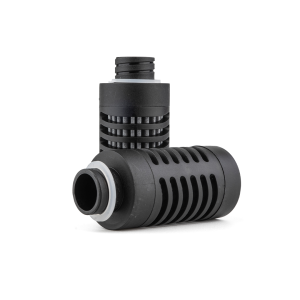
A Water-to-Go filter removes all these contaminants with a 99.9999% rate, as well as chemicals that are found in old water pipes such as lead, copper, fluoride and arsenic. This is because a Water-to-Go combines three separate technologies: mechanical filtration, activated carbon, and electrostatic filtration.
1. Mechanical Filtration
Ultra-fine pores physically trap bacteria, protozoa, microplastics, and sediment.
2. Activated Carbon
Removes chemicals, pesticides, chlorine, and unpleasant taste and odour.
3. Electrostatic Filtration
Removes viruses and other microscopic contaminants that mechanical filters alone cannot catch.
Removes up to 99.9999% of harmful contaminants, including:
✔ Bacteria
✔ Viruses
✔ Protozoa
✔ Microplastics
✔ Heavy metals
✔ Chemicals and pesticides

Safe Drinking Water—Almost Anywhere in the World
With a proper filtration system like Water-to-Go, you can safely drink from:
Tap water abroad
Streams and lakes
Rainwater and waterfalls
Refillable water stations
Old or contaminated pipes
Basically, any non-saltwater source.
This level of safety is simply not possible with carbon-only filter bottles.
Why Real Filtration Matters (Especially for Travel & Outdoor Use)
If you’re camping, backpacking, flying, road-tripping, or working outdoors, water safety isn’t just a convenience, it’s a necessity.
Cheap “filter” bottles may leave you vulnerable to illness, hospital visits, and ruined trips. A real purification bottle gives you peace of mind knowing your water is safe, wherever you are.
This means that a user can drink from any non-saltwater source in the world to remove up to 99.9999% of microbiological contaminants. Alongside our comparative affordability, this is what separates, or filters, Water-to-Go from the rest.
You can view our water purification and testing page here
