


Filtered Water Bottles vs Boiling vs Water Purification Tablets: What’s The Best Option For You?

When you’re traveling, hiking, or dealing with uncertain water quality, one question matters most:
What’s the safest and most practical way to purify water?
Three of the most common options are:
- Filtered water bottles
- Boiling water
- Water purification tablets
Each method works, but they solve the problem in very different ways.

How Each Method Works
Filtered Water Bottles
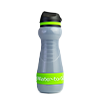
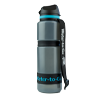
Filtered bottles use advanced filtration systems to remove contaminants as you drink. However, not all Filtered Water Bottles are created equal, you need to be careful with which filter bottle you buy.
For example, Water-to-Go Filtered Water Bottles use 3 in 1 technology:
- Activated carbon (improves taste and smell and reduces chemicals)
- Fine membrane filtration (Blocks bacteria and microplastics)
- Hydrostatic Charge (Blocks Viruses)
Some systems are designed to filter up to 99.9999% of contaminants, making them suitable for use in many parts of the world.
Ideal for: Daily use, travel, airports, cities, and outdoor activities
Boiling Water
Boiling disinfects water by killing microorganisms through heat.
- Effective against bacteria, viruses, and parasites
- Requires sustained high temperature and time
- Does not remove sediment from water
Best for: Situations where you have access to a stove or fire
Water Purification Tablets
These use chemicals (like chlorine or iodine) to disinfect water.
- Kill bacteria and viruses
- May not fully eliminate some parasites
- Often affect taste
- Does not remove any sediment from water
Best for: Emergency backup or ultralight travel
Side-by-Side Comparison
| Feature | Filtered Bottle | Boiling | Tablets |
|---|---|---|---|
| Kills bacteria | ✅ | ✅ | ✅ |
| Kills viruses | ⚠️ (depends on filter design) | ✅ | ✅ |
| Reduces chemicals | ✅ | ❌ | ❌ |
| Improves taste | ✅ | ❌ | ❌ |
| Time required | Instant | Slow | 30–60 mins |
| Ease of use | Very easy | Moderate | Easy |
| Everyday practicality | Excellent | Low | Medium |
What Actually Matters in Real Life?
On paper, all three methods can make water safer. But in real-world situations, convenience and consistency matter just as much as effectiveness.
- Boiling is reliable, but rarely practical when you’re moving around, only really an option when you have access to a fire/ stove
- Tablets are portable, but the wait time and taste can be a drawback
- Filtered bottles fits into your routine, you fill up and drink as normal
A Closer Look at Filtered Bottles
Not all filtered bottles are the same, performance depends heavily on the filtration technology used. All over the internet, there is a large variety of filtered water bottles, however, only a few are capable of removing viruses and bacteria.
Some higher-grade filters (like those found in Water-to-Go Bottles) are designed to:
- Physically block bacteria and protozoa
- Reduce chlorine and heavy metals
- Improve taste and odor
- Work instantly without waiting time
This makes them especially useful in places where water is technically treated but still unpleasant to drink, such as airports, hotels, or older plumbing systems.
So, What’s the Best Option?
For almost every situations, especially travel and for on the go use, filtered water bottles offer the best balance of convenience, taste, and practicality.
Boiling and tablets still have their place, but cannot replace the quality of water delivered or the convinience of a filtered water bottle.
If you want something you’ll actually use consistently, a filtered bottle is often the easiest solution.
Final Thoughts
Choosing a water purification method isn’t just about what works in theory, it’s about what fits your lifestyle and usecase.
If a solution is inconvenient, people tend not to use it. That’s why simple, on the go options like filtered bottles have become increasingly popular.
They turn safe hydration into something effortless, whether you’re traveling abroad, commuting, or just trying to avoid single-use plastic.
