The Core Difference: Size Matters
The distinction between filtration and purification comes down to micron size—specifically, what the internal technology is capable of trapping.
1. Standard Water Filters (Carbon-Based)
Most high-street filter bottles or cheap and generic online bottles use activated carbon. Carbon is fantastic at absorbing chlorine, heavy metals, and microplastics, which dramatically improves the taste and smell of municipal tap water.
Best For: Commuting, gym use, or tap water in regions where municipal water is already tested and treated as safe.
What They Miss: Standard carbon filters cannot stop bacteria, protozoa, or viruses.
2. Microfiltration Camping Filters
Hollow-fiber membrane filters are popular among outdoor hikers. They use physical pores (typically around 0.2 microns) to mechanically strain water.
Best For: Wild camping in wilderness areas with clean, running backcountry streams.
What They Remove: Bacteria (like E. coli and Salmonella) and protozoan cysts (like Giardia and Cryptosporidium).
What They Miss: Viruses. Viruses are far too small (often 0.02 to 0.08 microns) to be trapped by hollow-fiber pores.
3. Physical Water Purifiers (this is where we come in)
Water purifiers combine physical barrier technology with electro-positive membrane technology to capture contaminants of all sizes—including viruses.
Best For: International travel to countries with poor tap water infrastructure, urban exploration, flood zones, and outdoor adventures near livestock or runoff.
What They Remove: 99.9999% of all waterborne contaminants, including bacteria, parasites, heavy metals, chemicals, microplastics, and viruses.
If you are travelling abroad or drinking from unmanaged natural water sources, relying on a basic filter leaves you exposed to viruses that cause severe gastroenteritis. Here are three key scenarios where true purification is essential:
1. International Travel & Backpacking
In many parts of Southeast Asia, Latin America, Africa, and Eastern Europe, municipal tap water systems are vulnerable to cross-contamination from sewage. Viruses like Rotavirus and Hepatitis A thrive in these environments. Using a purifier allows you to drink safely directly from hotel taps, public rest stops, or airport basins anywhere in the world—saving money and preventing food poisoning.
2. Wild Camping & Low-Elevation Hiking
While high-altitude mountain springs can be relatively clear, low-elevation rivers and streams often flow past agricultural land, livestock, or human settlements. Runoff introduces harmful bacteria and viral pathogens into the water supply that standard trail filters miss.
3. Reducing Single-Use Plastic Waste
Travellers often buy multiple single-use plastic bottles daily out of necessity. A single Water-to-Go 75cl filter purifies up to 200 Litres of water—replacing up to 400 single-use plastic bottles while providing instant protection at a fraction of the cost per litre.
How Water-to-Go 3-in-1 Filter Technology Works
Unlike standard water bottles that rely solely on activated carbon or simple physical mesh, Water-to-Go utilises a unique 3-in-1 filter technology developed from NASA space program research.
Mechanical Filtration: A physical outer membrane traps larger particulate matter, dirt, and microplastics.
Carbon Technology: High-grade activated carbon absorbs bad tastes, odours, chlorine, and chemical residues.
Electro-Positive Membrane: Activated when wet, the filter creates a nano-scale electrostatic charge that acts like a magnet, pulling microscopic viruses, bacteria, and pathogens out of the water flow and binding them to the filter walls.
Choosing the Right Size for Your Journey
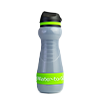
The 55cl Bottle: Compact and lightweight. Ideal for short day hikes, gym sessions, urban commuting, or keeping in your cabin bag during flights.
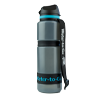
The 75cl Active Bottle: Designed for serious travel, long haul trips, and day-long outdoor activities where refill points are spaced further apart.
- The 1 Litre Active Bottle:Designed for those moments where you don’t know when you’ll next have access to a water source. Ideal for those long hikes and bush craft.
Ready to Explore Without Waste?
Don’t let contaminated water ruin your travel plans or burden the planet with plastic waste. Upgrade your travel kit with a proven 3-in-1 Water-to-Go Purifier Bottle and drink safe water wherever your journey takes you.